
What is the Difference Between HydraDry and HydraFlex?
Comparison overview — HydraDry vs HydraFlex (illustration only)
This guide is provided for illustration purposes only. It is not an installation manual and does not replace manufacturer instructions, professional design, or building regulations. Site conditions vary. Clever Shield Coatings Ltd accepts no liability for actions taken based on this information. Always follow current product data sheets and consult competent professionals.
1) The short answer
HydraDry is a cementitious tanking slurry that creates a rigid, waterproof barrier on prepared masonry and concrete. It is excellent for forming a durable, continuous coating, typically applied in two coats with fillets at junctions.

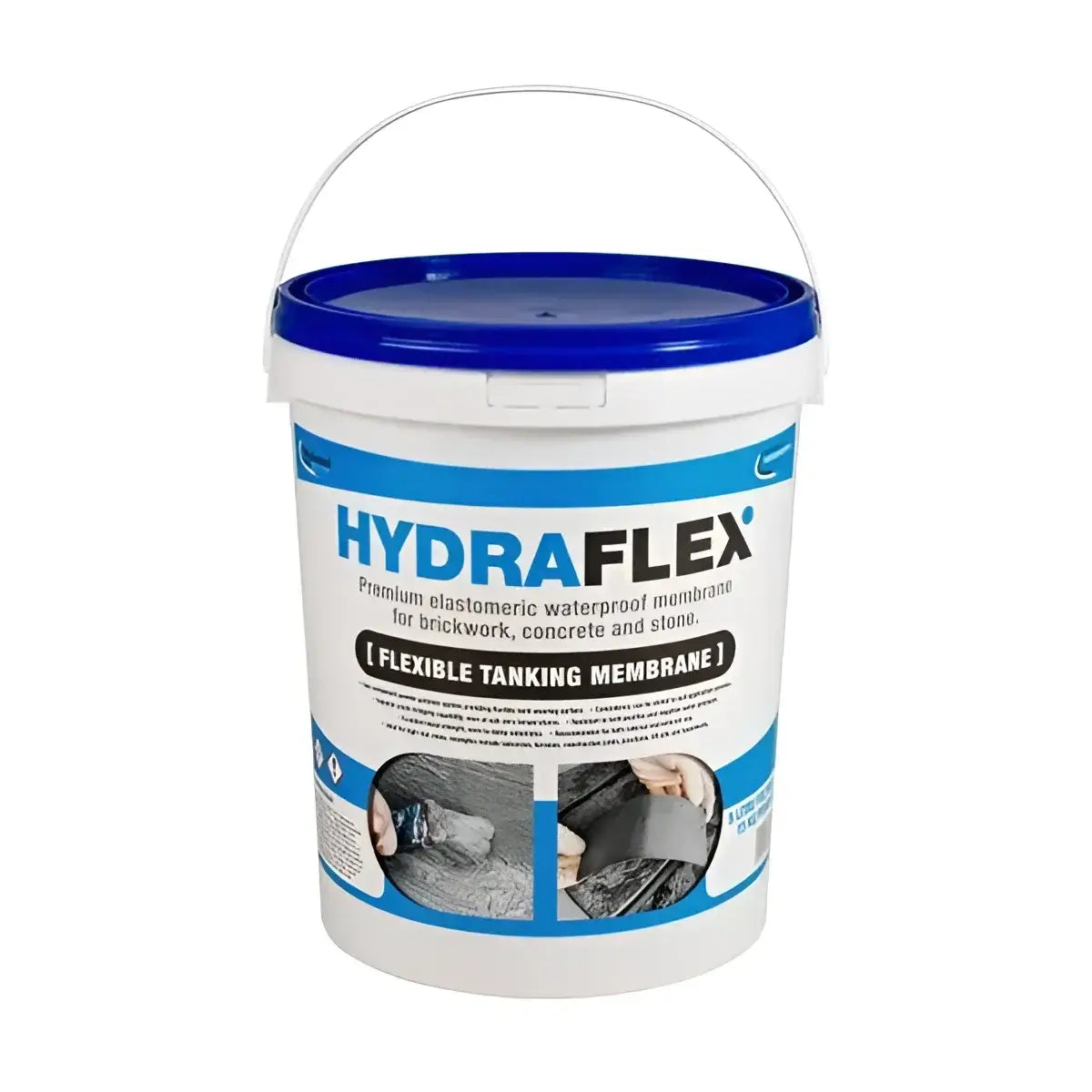
HydraFlex is a flexible tanking membrane that provides a waterproof barrier with added crack-bridging capability. Its flexibility helps accommodate minor movement and hairline cracking, making it well suited to substrateswhere some movement is expected.
2) Product snapshots
- HydraDry: Rigid cementitious coating (Type A barrier), brush/spray applied, two-coat system, ideal for sound, well-prepared substrates.
- HydraFlex: Flexible polymer-modified membrane (Type A barrier), brush/roller/trowel applied in two coats with optional reinforcement at changes of plane.
3) Key differences at a glance
| Feature | HydraDry (Cementitious Slurry) | HydraFlex (Flexible Membrane) |
|---|---|---|
| Barrier type | Rigid cementitious Type A coating | Flexible polymer-modified Type A membrane |
| Movement accommodation | Low (relies on crack-free, stable substrate) | Higher (designed for hairline crack-bridging) |
| Typical use | Basements, retaining walls, slabs (sound substrates) | Basements, wet/service areas, substrates with minor movement |
| Junction detailing | Cementitious fillets at internal corners | Fillets plus reinforcing band/mesh at changes of plane |
| Application | Brush/spray; two coats (cross-hatched) | Brush/roller/trowel; two coats (with optional reinforcement) |
| Best where… | Substrate is rigid, well-prepared and crack-free | There’s a risk of hairline cracking/minor movement |
4) When to choose which?
- Choose HydraDry if the substrate is stable and crack-free, and you want a tough, cementitious barrier with a traditional two-coat slurry approach.
- Choose HydraFlex if the substrate may show minor movement or hairline cracks and you value additional flexibility and crack-bridging performance.
5) Typical installation highlights (illustration only)
HydraDry
- Mechanically prepare the substrate; remove paint, laitance and contaminants.
- Form cementitious fillets at internal corners and wall–floor junctions.
- Pre-dampen to SSD and apply two coats (second at 90° to the first).
- Protect during curing; only finish once fully cured.
HydraFlex
- Mechanically prepare; prime if required by the system.
- Form fillets; embed reinforcing band/mesh at changes of plane and around penetrations (as specified).
- Apply two coats; cross-hatch for uniform coverage.
- Protect during curing; apply compatible finishes once cured.
6) Can they be combined?
Yes. In higher-risk basements aiming for a dry internal environment, a Type A barrier (HydraDry or HydraFlex) is often combined with a Type C drained cavity system (e.g., stud membranes, perimeter channels and a sump & pump). This improves resilience and provides serviceable drainage if any moisture bypasses the barrier.
7) Common pitfalls to avoid
- Inadequate surface preparation (dust, paint, oil) causing poor adhesion.
- Skipping fillets or reinforcement at changes of plane.
- Applying coats too thin, leading to pinholes or holidays.
- Decorating before full cure; using incompatible solvent-based finishes directly on fresh coatings.
8) Product availability
HydraDry, HydraFlex, compatible primers, fillet/repair mortars, reinforcement bands/mesh, and complementary Type C membranes, channels, and sump & pump kits are available directly from Clever Shield Coatings. Use the website search bar or browse our product categories to find what you need.
This comparison is a general, illustrative overview. It is not manufacturer guidance and may not suit all properties. Specifications, regulations and recommended methods can change. Clever Shield Coatings Ltd provides this information “as-is” without warranty. Always follow current product data sheets, relevant standards and consult qualified professionals before commencing work.