

Damp Proofing Walls: Effective Solutions for Rising Damp
Identify, Treat and Prevent Dampness in Walls – Damp Proofing Guide
Understanding Damp Problems and Available Waterproofing Solutions – For Illustration Purposes Only
Are you noticing discoloured patches, peeling wallpaper, blistering paint or white salt deposits appearing on your interior walls? These can be signs of a moisture problem, but identifying the actual cause is essential before choosing a treatment.
Dampness in buildings can result from rising moisture, penetrating water, condensation, plumbing leaks, defective external details or a combination of several factors. Applying the wrong treatment may fail to address the underlying problem.
At Clever Shield, we supply a wide range of damp-proofing and waterproofing materials from established manufacturers, including Wykamol and Newton Waterproofing. Our range includes damp-proof membranes, cavity drainage systems, ancillary products and specialist materials for managing moisture within buildings.
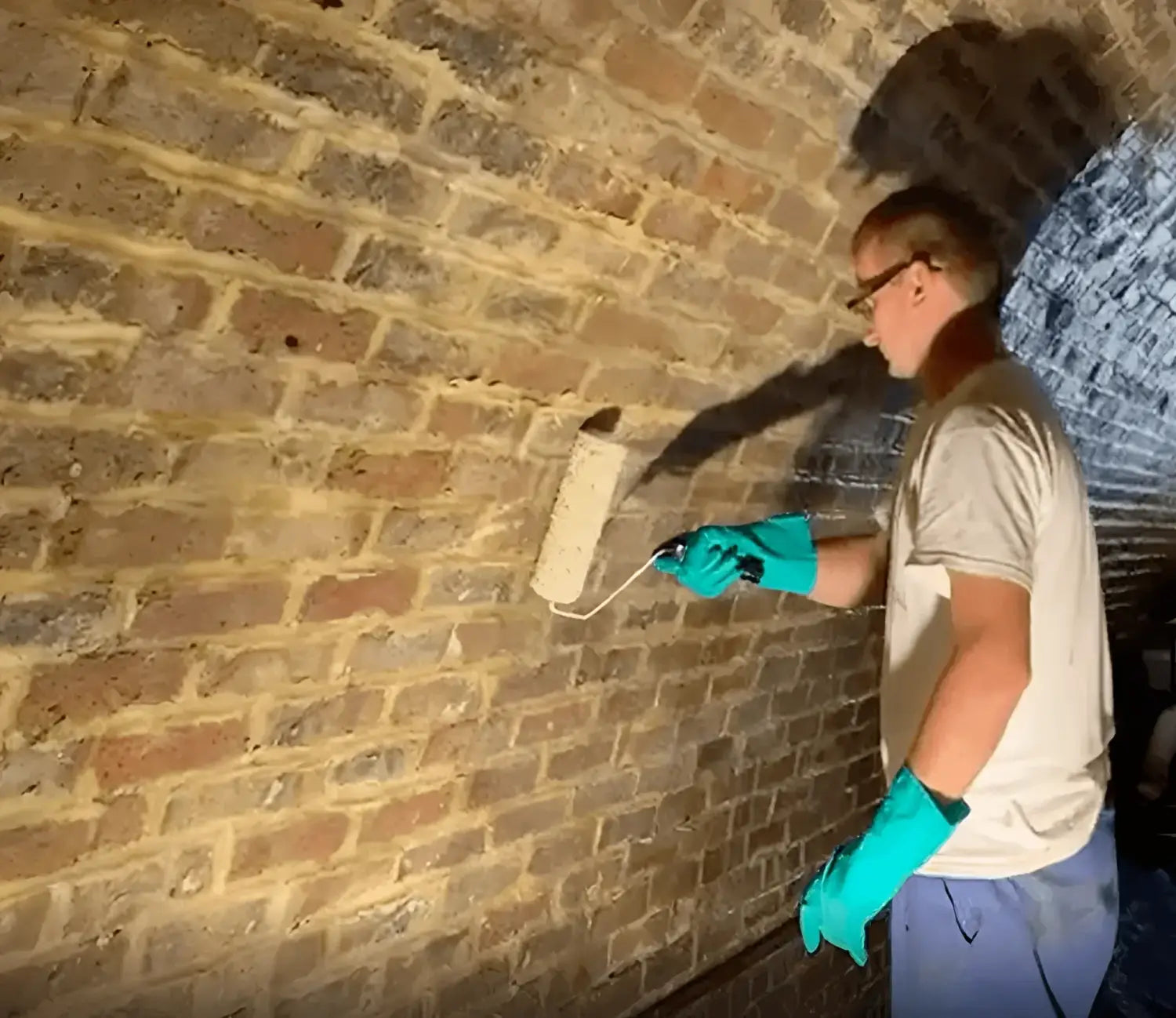
1. What Causes Dampness in Walls?
Dampness occurs when unwanted moisture enters, accumulates or remains within a building's walls, floors or other structural elements. The source of moisture needs to be identified before a suitable remedial approach can be considered.
Three commonly discussed forms of dampness are:
- Rising damp: Ground moisture moving upwards through porous masonry, potentially where an effective damp-proof course is absent, defective or bridged.
- Penetrating damp: Water entering through external walls, roofs, defective pointing, cracks, failed seals, leaking rainwater goods or other building defects.
- Condensation: Moisture from the air forming on colder surfaces when warm, moisture-laden air meets a surface below its dew point.
Other sources can include leaking plumbing, defective drainage, water ingress from adjoining structures and groundwater affecting below-ground walls.
2. Common Signs of Dampness
Different moisture problems can produce similar visible symptoms. The following signs may help identify areas requiring further investigation, but they are not a definitive diagnosis.
- Discolouration: Dark patches or staining on walls and ceilings.
- Peeling wallpaper: Wallpaper lifting, bubbling or separating from the wall surface.
- Blistering paint: Paint bubbling, flaking or losing adhesion.
- White salt deposits: Efflorescence appearing on masonry or plaster as moisture evaporates and leaves soluble salts behind.
- Musty smells: Persistent damp or stale odours in affected rooms.
- Mould growth: Often associated with condensation and prolonged surface moisture, although other moisture sources may also contribute.
- Deteriorating plaster: Crumbling, softening or loss of adhesion in affected areas.
- Timber deterioration: Prolonged moisture exposure can contribute to timber decay and damage.
Visible mould should be addressed alongside the underlying moisture and ventilation conditions. Persistent or extensive mould may require specialist assessment.
3. How to Identify the Type of Damp
Understanding the differences between rising damp, penetrating damp and condensation helps determine what further investigation may be necessary.
| Symptom or indicator | Possible rising damp | Possible penetrating damp | Possible condensation |
|---|---|---|---|
| Location | Often affects lower wall sections | Can occur at any height, often near defects | Common on colder walls, windows and corners |
| Wall staining | May appear near floor level | May appear around cracks, roofs or external defects | Often associated with cold surfaces |
| Salt deposits | May be present in affected masonry and plaster | May also occur depending on the source of water | Not usually a defining feature |
| Mould growth | May occur where surfaces remain damp | May occur in persistently wet areas | Common where condensation and poor ventilation occur |
| Possible cause | Ground moisture and defective or bridged DPC | Defective building fabric or water ingress | High indoor humidity and cold surfaces |
Important: These indicators are not conclusive. A proper assessment may involve inspecting external ground levels, checking the damp-proof course, investigating plumbing and rainwater systems, examining the wall construction and assessing environmental conditions.
4. Damp Proofing Solutions
Different moisture problems require different approaches. The appropriate solution depends on the source of water, the construction of the building and the intended use of the affected area.
1. Damp Proof Membrane (DPM) Systems
Damp-proof membranes provide a physical barrier between damp or salt-contaminated masonry and internal finishes. Wall membrane systems can create a protective separation between the existing substrate and the new internal finish.
Depending on the membrane type and system design, they may be used in applications involving:
- Walls affected by residual moisture.
- Salt-contaminated masonry.
- Internal wall refurbishment.
- Selected basement and below-ground wall applications.
- Situations where existing plaster requires separation from the underlying masonry.
Different membrane systems have different purposes. Some are designed to isolate internal finishes from damp substrates, while Type C cavity drainage membranes form part of a system that manages water entering a structure and directs it towards a suitable drainage and discharge arrangement.
Brands supplied: Newton Waterproofing and Wykamol.
Browse Damp Proof and Cavity Drainage Membranes.
2. Cavity Drainage Membrane Systems
Cavity drainage membranes are commonly used in below-ground waterproofing applications and in suitable internal refurbishment situations.
These studded membranes create a cavity between the substrate and the internal finish. Where water enters the structure, the system is designed to manage and direct it towards suitable drainage channels and a discharge point.
- Wall membranes: Provide a drainage cavity behind the internal finish.
- Floor membranes: Create a drainage space beneath the floor build-up.
- Drainage channels: Collect and direct water towards a suitable discharge arrangement.
- Sumps and pumps: May be required where gravity drainage is not possible.
- Ancillary products: Plugs, tapes and compatible accessories help complete the membrane installation.
A Type C cavity drainage system manages water rather than preventing its entry into the structure. Drainage capacity, discharge arrangements, maintenance and system design are therefore important considerations.
Explore Type C Cavity Drainage Systems.
3. Ancillary Products and Accessories
Correct accessories are important when installing a damp-proof membrane or cavity drainage system.
- Fixing plugs: Secure membranes to suitable wall substrates.
- Sealing tapes: Help seal membrane joints and connections where specified.
- Drainage channels: Collect and direct water within suitable cavity drainage systems.
- Perimeter accessories: Help complete wall, floor and drainage junctions.
- Sealants and mastics: Used for compatible detailing and sealing applications.
Accessory selection depends on the membrane type and the manufacturer's installation instructions.
Browse Fixing Plugs, Tapes and Ancillaries.
4. Damp Proof Membrane Kits
For selected applications, complete membrane kits can simplify product selection and material ordering by bringing together compatible components.
Depending on the kit, components may include:
- Damp-proof membrane rolls.
- Fixing plugs and associated accessories.
- Sealing tapes.
- Corner and junction accessories.
Always check the kit contents, membrane type and intended application before ordering. Additional components may be required depending on the dimensions and construction of the area being treated.
Browse Waterproofing and Membrane Kits.
5. Treating Salt-Contaminated Walls
Soluble salts can accumulate within masonry and plaster as moisture moves through the building fabric and evaporates. These salts may contribute to staining, deterioration and damage to decorative finishes.
Where salt contamination is identified, simply repainting or replastering may not resolve the underlying problem.
Depending on the condition of the wall and the proposed remedial system, treatment may involve:
- Identifying and addressing the source of moisture.
- Removing damaged or unsuitable plaster where required.
- Using an appropriate salt treatment or neutralising product where specified.
- Installing a suitable membrane system to separate the new finish from contaminated masonry.
- Reinstating the internal finish using compatible materials.
View No More Damp Salt Neutraliser.
The suitability of any salt treatment must be confirmed for the type and extent of contamination. It should not be treated as a substitute for resolving an ongoing water ingress problem.
6. Addressing Condensation and Mould
Condensation is different from rising or penetrating damp. It occurs when moisture in the air condenses on colder surfaces, particularly where ventilation is inadequate or indoor humidity is high.
Measures that may help reduce condensation include:
- Improving ventilation and providing suitable extraction in kitchens and bathrooms.
- Maintaining appropriate indoor heating.
- Reducing excessive moisture production indoors.
- Improving insulation and addressing cold bridging where appropriate.
- Maintaining adequate air circulation around furniture and external walls.
Specialist anti-condensation coatings may be considered as part of an appropriate approach, but they do not replace ventilation, heating or resolving the underlying moisture conditions.
View ThermalDry Anti-Condensation Coating.
7. Timber and Building Fabric Protection
Prolonged exposure to moisture can affect timber and other building materials. Where timber is exposed to damp conditions, it is important to identify the moisture source and establish whether deterioration or decay has occurred.
Suitable timber treatment products may form part of a wider remedial approach where appropriate. However, timber preservatives do not replace correcting water ingress, excessive moisture or defective building details.
Browse Wykamol Timber Treatment Products.
8. Choosing the Right Damp Proofing Products
Selecting the right products depends on the cause of dampness and the construction of the affected area.
| Application or problem | Product category to investigate |
|---|---|
| Residual moisture behind internal finishes | Suitable wall damp-proof membrane systems |
| Below-ground wall water ingress | Type C cavity drainage membranes and compatible drainage accessories |
| Water collection at floor and wall junctions | Suitable drainage channels and associated accessories |
| Salt-contaminated masonry | Appropriate salt treatment and compatible membrane or plaster system |
| Condensation on cold surfaces | Ventilation, insulation and suitable anti-condensation products |
| Timber exposed to damp conditions | Suitable timber treatment products alongside moisture control |
These are product categories to investigate, not a recommendation that one product or system will resolve every instance of dampness. The source of moisture and the construction must be assessed first.
9. Damp Proofing Products Available from Clever Shield
Clever Shield supplies damp-proofing and waterproofing materials from established manufacturers, including Wykamol and Newton Waterproofing.
Our range includes:
- Wall and floor damp-proof membranes.
- Type C cavity drainage membranes.
- Membrane fixing plugs and sealing tapes.
- Basement drainage channels and accessories.
- Salt treatment products.
- Timber treatment products.
- Anti-condensation coatings.
- Waterproofing and membrane kits.
Explore the relevant product ranges:
- Damp Proofing Products
- Type C Cavity Drainage Membranes
- Fixing Plugs, Tapes and Ancillaries
- Waterproofing Kits
- Timber Treatment Products
10. Frequently Asked Questions
How can I tell if my wall has rising damp?
Rising damp may cause moisture-related damage near the bottom of walls, sometimes accompanied by salt deposits and deteriorating plaster. However, these symptoms can also be caused by other problems. A proper assessment is needed before confirming rising damp.
Can a damp-proof membrane be installed over an existing damp wall?
Some membrane systems are designed to separate internal finishes from damp or salt-contaminated masonry. The correct membrane, fixing method and finishing system depend on the substrate and application. The source of moisture must also be considered.
What is the difference between a DPC and a DPM?
A Damp Proof Course (DPC) is a barrier incorporated into a wall to restrict moisture rising through the masonry. A Damp Proof Membrane (DPM) is a membrane used to provide a barrier against moisture in a floor, wall or other building element. They have different functions and should not be treated as interchangeable.
What is a Type C cavity drainage system?
A Type C system manages water entering a structure by using cavity drainage membranes, drainage channels and, where required, a sump and pump. It is designed to collect and discharge water rather than prevent water from entering the structure.
Will anti-condensation paint cure rising damp?
No. Anti-condensation coatings may help manage surface condensation in suitable conditions, but they do not correct rising damp, penetrating water or leaking pipes. The underlying moisture source must be addressed.
11. Further Information and Product Enquiries
Clever Shield supplies a wide range of damp-proofing, basement waterproofing and building protection materials throughout the UK.
For product availability and enquiries:
- Telephone: 01268 472358
- Email: info@clevershield.co.uk
- Website: Clever Shield Coatings UK
We can provide product information and manufacturer documentation to help you identify the materials available for your project. Product selection, damp diagnosis and system design should be undertaken by suitably competent professionals.