
How to Guide – Green Roof Construction
How to Guide – Green Roof Construction
Extensive & semi-extensive living roofs (illustration only)
⚠️ Important Disclaimer: This guide is for illustration purposes only. It is not an installation manual and does not replace manufacturer data sheets, structural calculations, or building regulations. Site conditions vary. Clever Shield Ltd accepts no liability for actions taken based on this information. Always follow current product documentation and consult competent professionals.
A green roof brings biodiversity, shields waterproofing and can improve thermal and acoustic performance. Below is a compact step-by-step for extensive and semi-extensive roofs on flat or low-slope decks, using Wykamol components available from Clever Shield Ltd.

1) Check suitability
- Structure: Verify load capacity at saturated weight (layers + substrate + vegetation + rain/snow).
- Falls & drainage: Provide positive drainage to outlets (typically ≥1:80). Keep overflows/outlets accessible.
- Access & fire: Plan safe access for install/maintenance; follow local fire and edge-restraint guidance.
2) What you’ll need :
- Primary waterproofing: Wykamol Sureproof Waterproofing Membrane (self-adhesive Type A) for decks/walls where specified.
- Drainage & moisture retention (with filter): Wykamol CM8 Geotextile Membrane 2m × 20m (drainage layer with bonded geotextile).
- Higher void/drainage capacity (with filter): Wykamol CM20 Geotextile Membrane 2m × 10m (for deeper substrates/heavier duty build-ups).
- Edge detailing: Geotextile Membrane Profile Strip 2m for neat terminations and restraint with pebble margins.
- Growing medium & planting: Certified lightweight green-roof substrate; sedum trays/mats or plugs/wildflower mix (to spec).
- Optional: inspection boxes for outlets; drip irrigation (semi-extensive mixes).
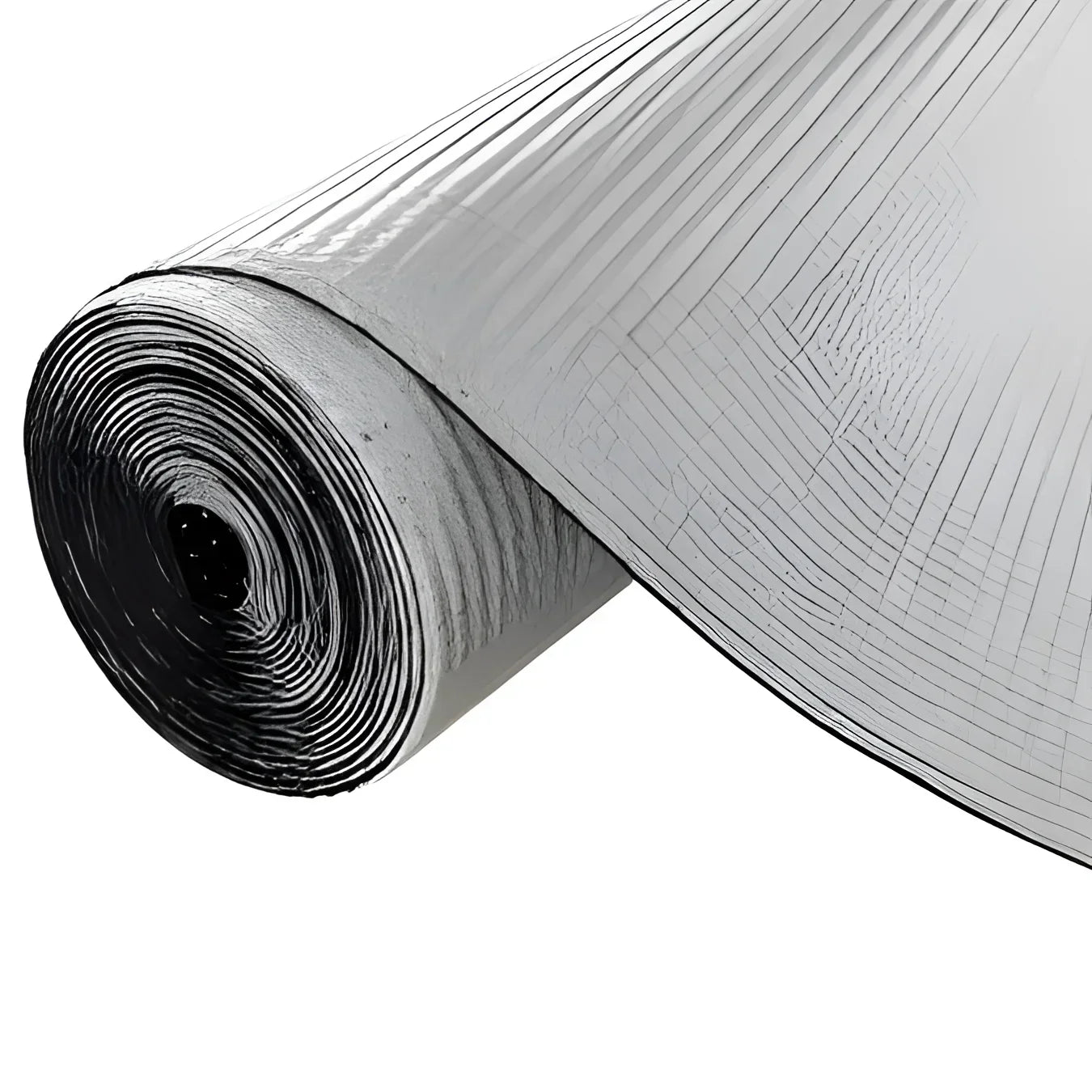
3) Fast build sequence (illustration only)
- Prepare the deck: Repair defects; ensure drains/overflows are fitted and free-draining.
- Apply/verify primary waterproofing: Install and test a continuous membrane (e.g., Sureproof). Protect upstands and penetrations.
- Protection/Root layer: Loose-lay Geotextile Drainage & Protection Membrane; lap/tape per data sheet. Turn up at upstands above finished height.
- Drainage (or drainage & storage): Roll out CM8 Geotextile (geotextile face up) across the field; for higher capacity use CM20 Geotextile. Lap neatly and maintain flow to outlets.
- Edge restraint & margins: Fix Profile Strips; form 300–500 mm pebble margins at edges/rooflights/outlets for fire breaks and access.
- Substrate: Spread certified lightweight substrate evenly to specified depth (extensive ~60–120 mm; semi-extensive ~100–200 mm). Do not block outlets.
- Vegetation: Lay sedum trays/mats tightly jointed, or plant sedum plugs/wildflower mixes per supplier rates. Water thoroughly.
- Final checks: Fit inspection boxes at outlets; verify edges/margins; record build-up and depths.
4) Tips & common pitfalls
- Outlets: Keep geotextile clear; inspection boxes simplify maintenance.
- Wind uplift: Use edge restraint and perimeter gravel zones as recommended.
- Irrigation: Consider drip-line for semi-extensive mixes during establishment and droughts.
- Substrate quality: Use certified lightweight blends—avoid topsoil alone.
Product availability
Clever Shield Ltd supplies Wykamol Sureproof Waterproofing Membrane, Wykamol Geotex Drainage & Protection Membrane, Wykamol CM8 Geotextile Membrane, Wykamol CM20 Geotextile Membrane and Geotextile Membrane Profile Strips, plus certified substrates and sedum options. Use the website search to choose sizes and kits for your project.
⚠️ Legal Notice: This content is a general, illustrative overview. It is not manufacturer guidance and may not suit all roofs. Specifications, regulations and recommended methods can change. Clever Shield Ltd provides this information “as-is” without warranty. Always follow current data sheets and consult qualified professionals before commencing work.